



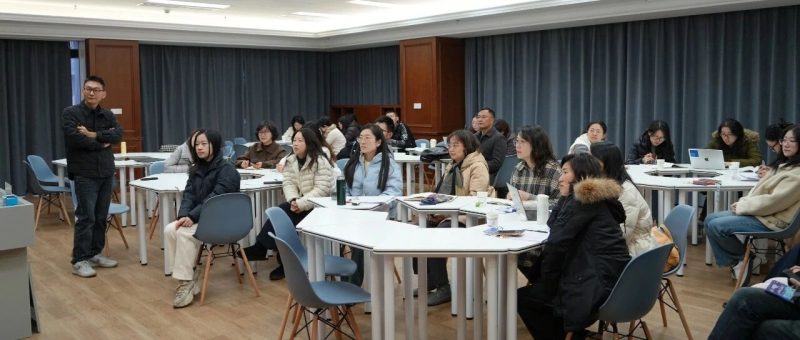
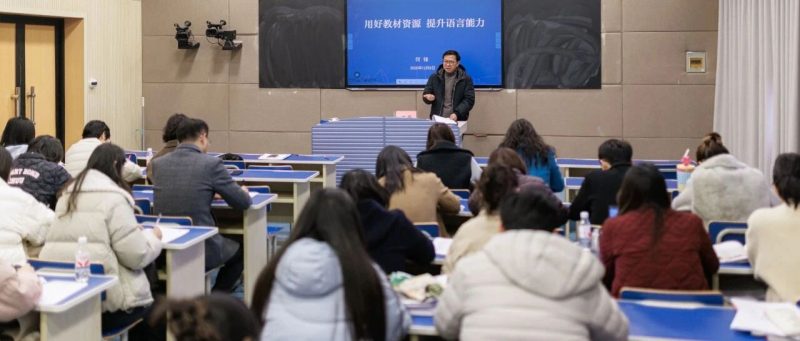
11月28日,在南京市建邺区金陵中学实验小学举行的“南京市名师工作室建设十周年暨南京都市圈‘AI+名师工作室’展示交流活动”中,李爱云工作室吴瑛老师作为代表开设了一节小初衔接英语课,受到一致好评。以下是她的教学分享。
![图片[1]-教学研究 | 小初衔接:Writing about seasons-AI Express News](https://www.aiexpress.news/wp-content/uploads/2025/12/20251218234822450-1766072902-a10614094a892d98764d608a2775254b.gif)
![图片[2]-教学研究 | 小初衔接:Writing about seasons-AI Express News](https://www.aiexpress.news/wp-content/uploads/2025/12/20251218234823783-1766072903-8aa471fbb2395d9442120ee531b3f0d5.gif)
Topic: Writing about seasons
Type of lesson: Writing
Teacher: Wu Ying
Students: Class 2, Grade 6
Teaching objectives:
By the end of the lesson, the students will be able to:
1.organise ideas about features of seasons with a mind map;
2.apply a proper structure in introducing their favourite season;
3.describe details about seasons from different senses;
4.write a letter to their favourite season and read the season’s reply.
Teaching focus and difficult points:
1.Choose the proper content and structure of the writing.
2.Describe vividly with sharp senses.
Teaching procedures:
Step 1 Lead in
1.Ss listen to an AI-generated song titled “Seasons”.
2.Teacher guides Ss to analyse the feature of seasons based on the lyrics.
Step 2 Pre-writing
1.Ss brainstorm features of seasons from different perspectives.
2.Ss make and share notes about their favourite season.
3.Ss comment on the AI-generated images of different seasons.
4.Ss read a sample letter to learn how to write a letter to a season logically.
5.Ss learn and practise five-sense writing tools to describe a scene.
Step 3 Writing
Ss write a letter to their favourite season.
Step 4 Post-writing
1.Ss send their letter to the target intelligent agent of a season;
2.Ss share their feelings of communicating with target intelligent agents.
Homework
Required: Polish the letter and send it to the intelligent agent of your favourite season.
Optional: Create a seasonal picture with the help of the AI tools.
![图片[7]-教学研究 | 小初衔接:Writing about seasons-AI Express News](https://www.aiexpress.news/wp-content/uploads/2025/12/20251218234827888-1766072907-73900e08b621932f19cde572f8067ac7-scaled.png)
![图片[11]-教学研究 | 小初衔接:Writing about seasons-AI Express News](https://www.aiexpress.news/wp-content/uploads/2025/12/20251218234830628-1766072910-3d598d3d2e67f7b278c01f6026e9ba18.png)
![图片[12]-教学研究 | 小初衔接:Writing about seasons-AI Express News](https://www.aiexpress.news/wp-content/uploads/2025/12/20251218234833669-1766072913-d6f4176b65f7ad1316f7cc6b8af3d3d9.gif)
本节小初衔接英语写作课围绕“给季节的信”展开。本课的设计重点是借助AI工具生成歌曲、图片及智能体互动资源,让学生在真实情境中梳理写作思路,激发学生的个性化表达动力,提升结构化表达意识与细节表现力,深化对四季的感知。
一般来说,六年级学生需能够围绕主题进行五到六句话的英语书面表达;进入初中,学生则需要围绕主题输出语篇结构清晰、逻辑连贯的80词左右的短文,这对于还没有谋篇布局意识的初一新生来说,其实是不小的挑战。因此,本节写作课,我的思路是一方面带领学生能基于自己对季节的认知,用英文表达准确而丰富的细节,另一方面是在篇章结构、逻辑表达方面给学生初步的提醒和示范。
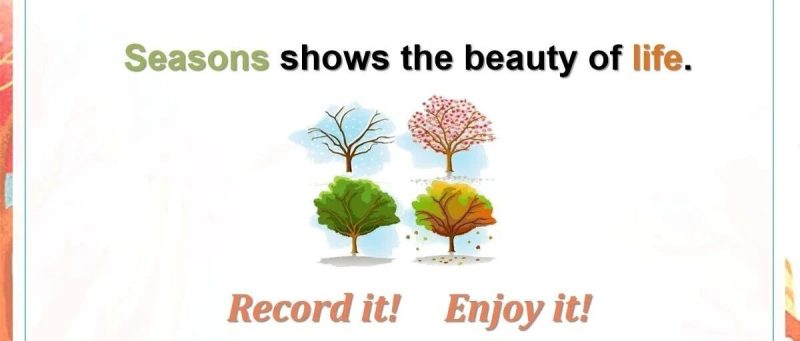
本节课,我教会了学生从“季节之美”和“季节之趣”两个维度表达自己对季节的喜爱之情。上课伊始,我按照这个思路借助AI生成了一个英文季节儿歌视频,给学生欣赏。在欣赏过程中,学生从歌词的总分总结构中,初步了解如何基于自己对季节的态度,选择性地描述季节特点。接着,我带领学生借助思维导图梳理出自己喜爱的季节的美景和有趣活动,再通过引导学生观察范文结构和内容,帮助他们建立“基于主题确定内容、基于内容思考结构”的篇章意识。在描写技巧方面,我示范并带领学生操练“五感描写”法,让他们的文字更生动。
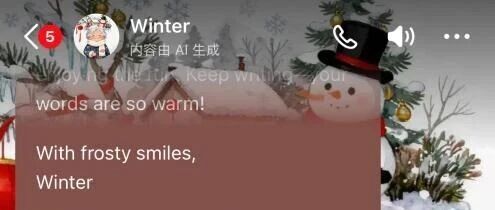
为了增加写作的趣味性和互动性,我借助AI生成了四季的拟人图片以及智能体。在写作前,学生们通过观察和评价老师创作的图片,初步体会到人的主观能动性和审美感知对于AI生图的影响,了解到在表达中提供详实细节的意义;在写作后,学生把信件发给对应季节的智能体,并收到富有季节特色的有声反馈,可以直观感受到自己的文字“被看见”、自己情感的表达“被回应”,这也体现了书信的交互特征。
![图片[13]-教学研究 | 小初衔接:Writing about seasons-AI Express News](https://www.aiexpress.news/wp-content/uploads/2025/12/20251218234834473-1766072914-0aa4bb565123ed4a709348be9045e32a.png)
但是,回望这节课,我也看到了教学设计的两个不足。第一,本节课缺少真实的图片和视频,没能更直观地让学生感受季节之美及季节之趣。教学中,AI 生成资源虽便捷,但少了真实场景的质朴与生动。学生难以将 AI 产出与自身生活紧密相连,写作时便缺乏源于生活的鲜活素材。后续我会多拍摄校园四季实景,结合学生日常活动,自编贴合实际的词曲,增强学生对季节的感知。第二,智能体设置的语言难度较高,学生理解有难度。互动时,智能体复杂的季节性语言表述超出学生能力,互动效果不太理想。这提示我要深入研究学情,邀请不同层次学生参与模拟互动,据此反复调试智能体语言,确保其难度适中,让智能体真正为课堂实时交际服务。
原文链接:https://mp.weixin.qq.com/s/JlfYNmctc_tA5OwIbph4wQ










暂无评论内容